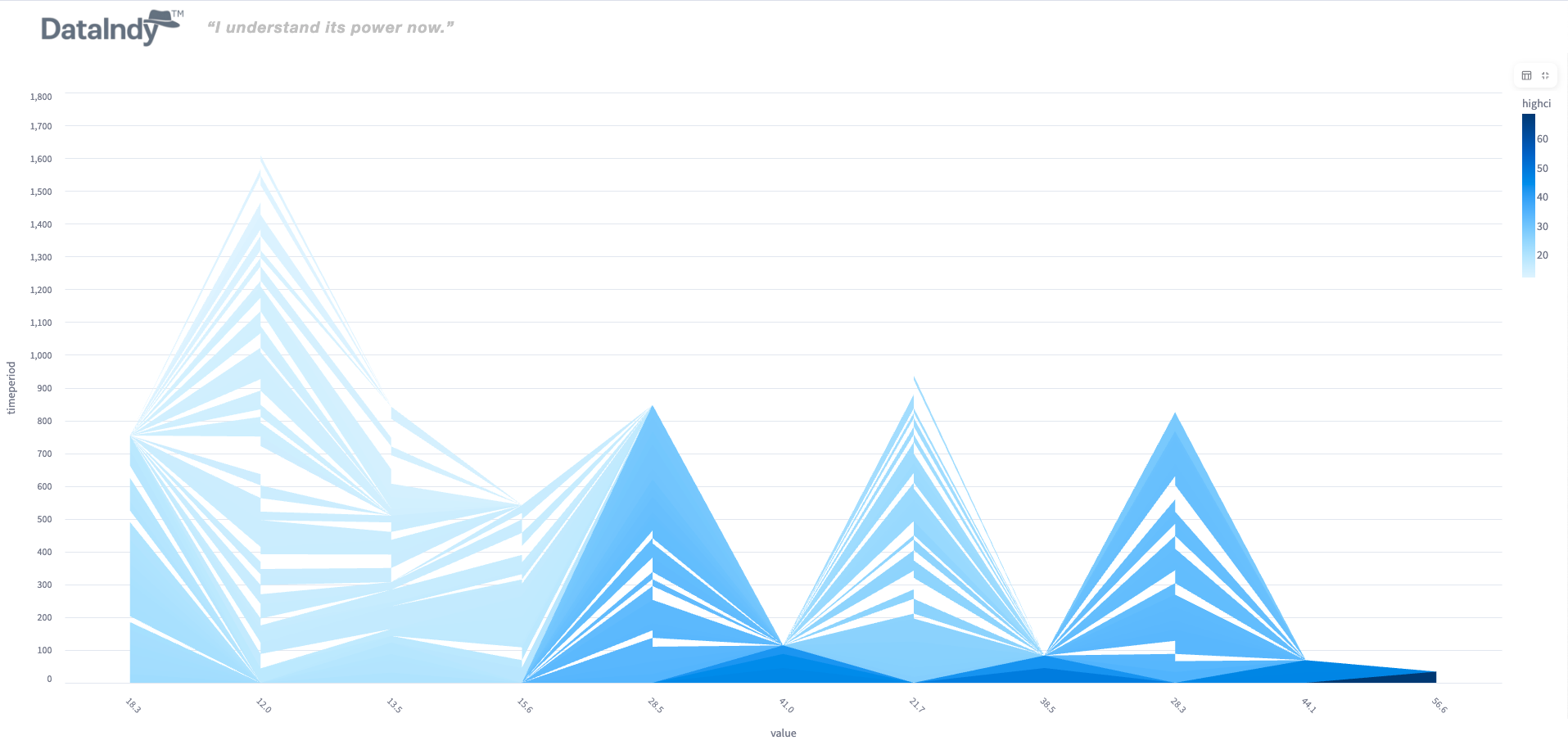

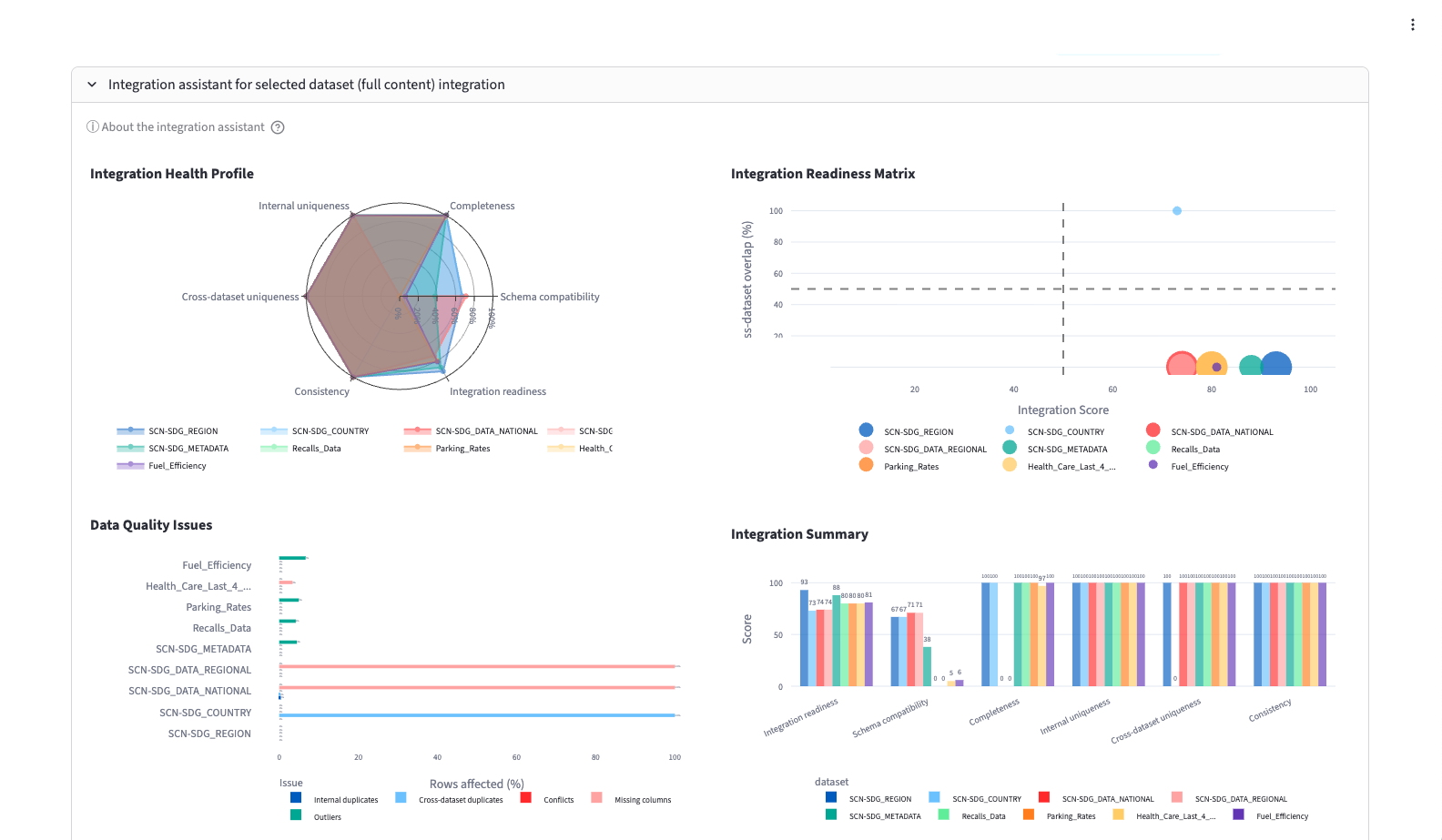
DataIndy’s semantic layer is the brain behind your AI, profiling, validating, and enriching data before it enters your ETL pipelines, so Analytics and AI can understand and trust what they work with.
% Time Saved
% Fewer Errors
x Faster Delivery
% Consistency Gain
Watch a 2-Minute Product Introduction:
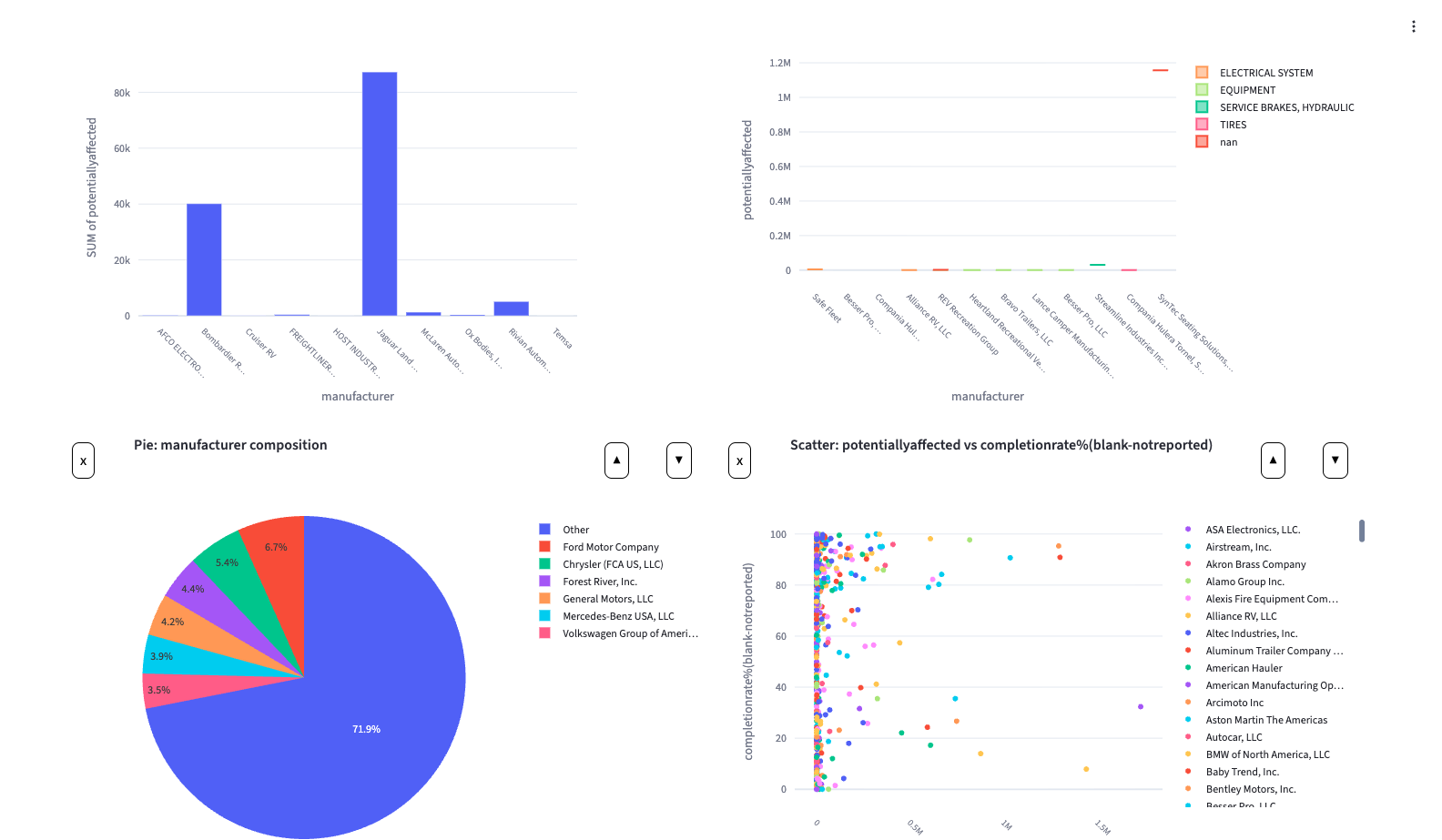
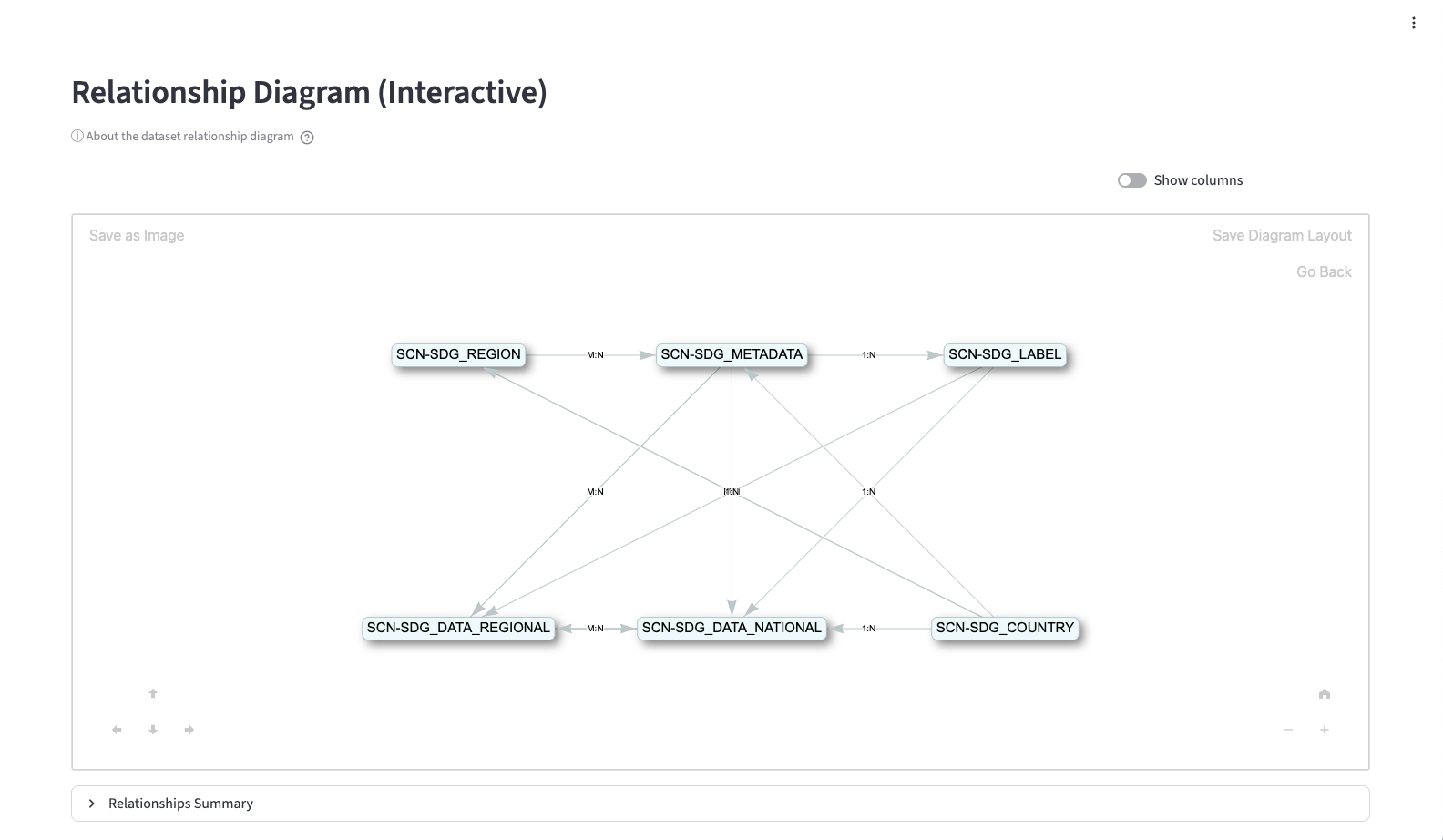
It analyzes your datasets (CSV, JSON files, or database tables), automatically detects relationships, and generates an interactive Entity-Relationship Diagram (ERD). You also get AI-powered descriptions and multiple export options.
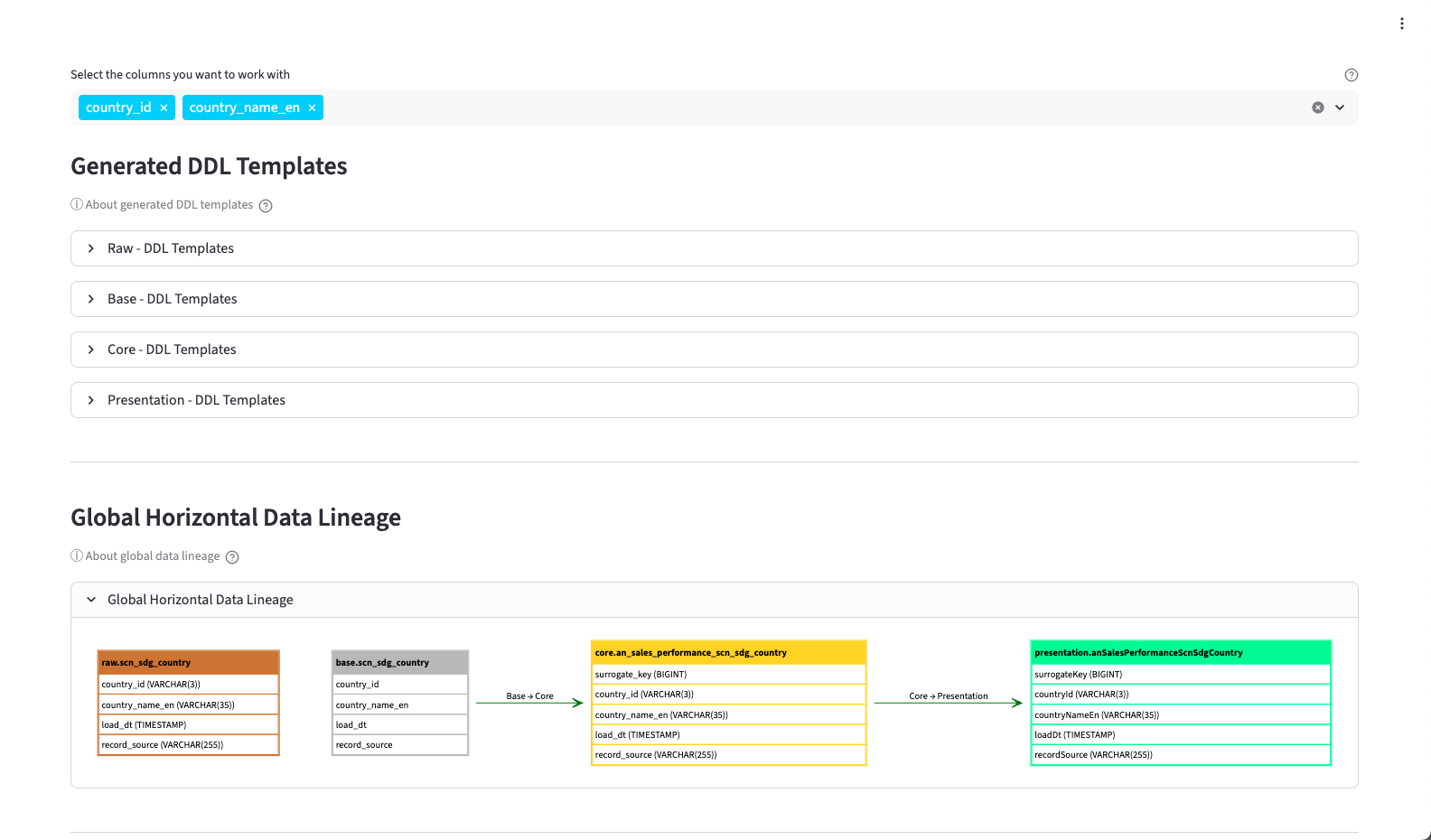
With one click, it produces a complete data analysis and generates the DDL scripts needed to build your data warehouse.
It suggests how to normalize your tables or files, across multiple database dialects.
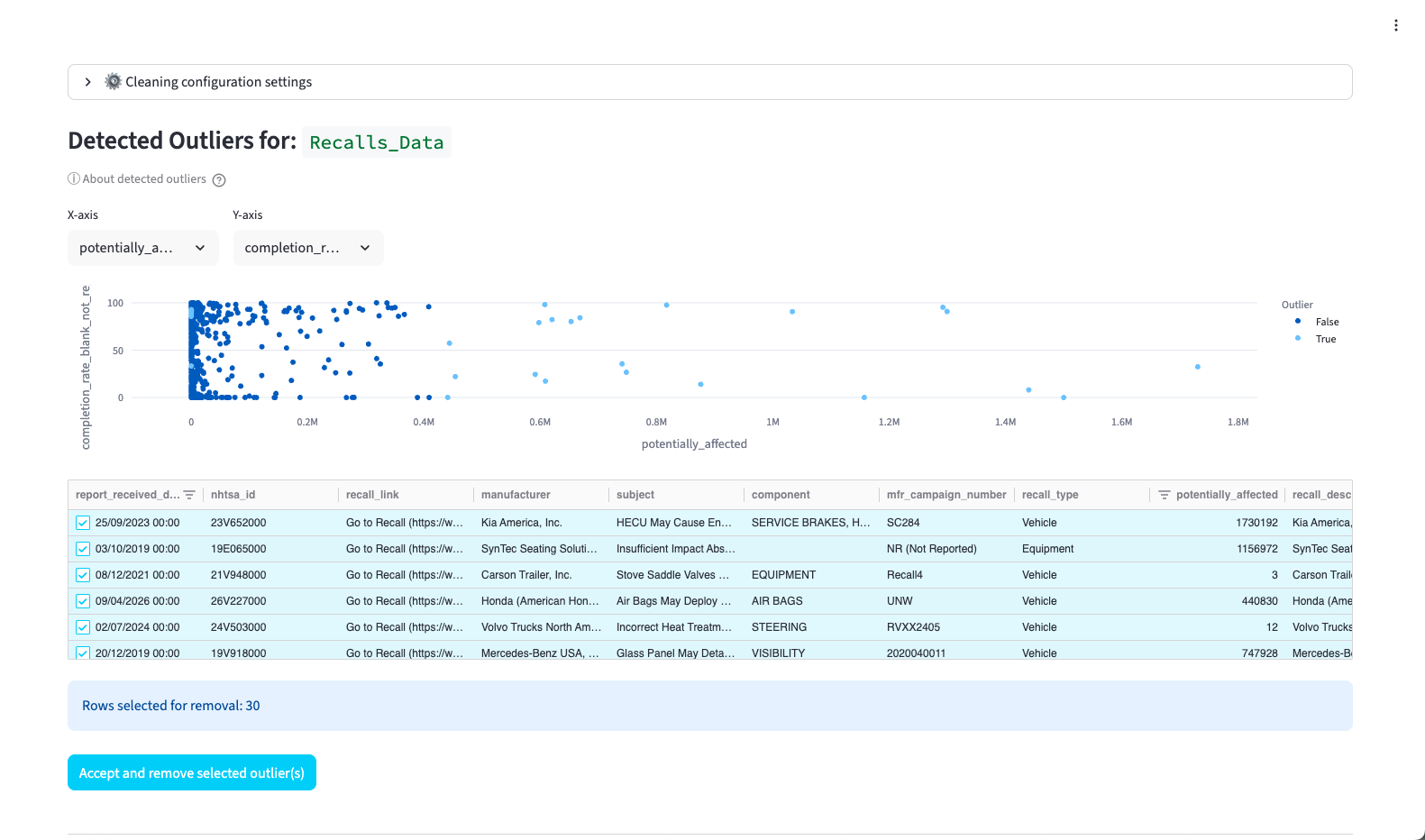
It automatically detects outliers and duplicates, helping you clean your datasets before analysis.
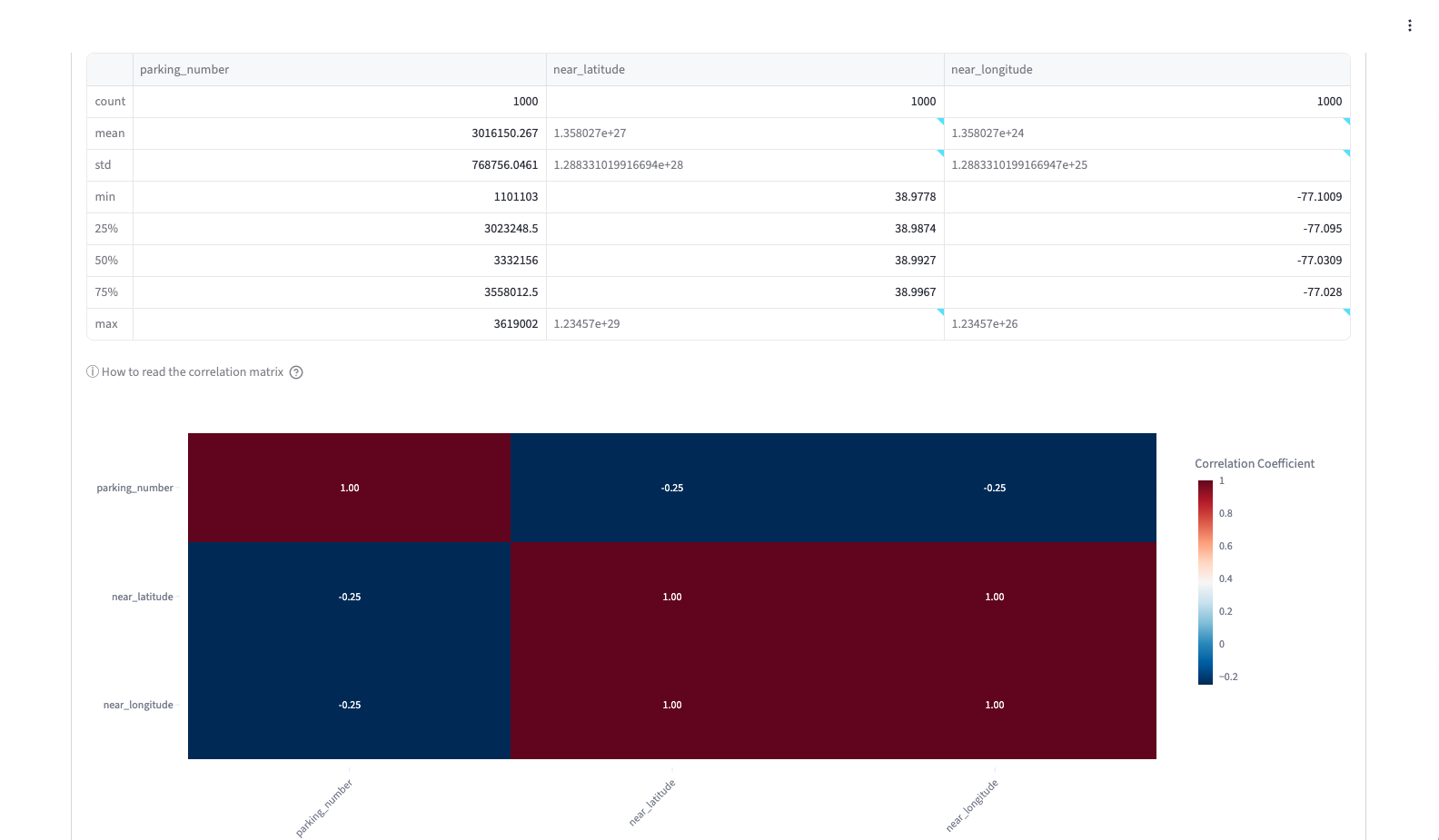
It identifies PII/PHI data using machine learning and recommends AI models per dataset column, benchmarking performance automatically.
All these functions — and many more — are powered by deterministic algorithms with AI assistance, ensuring reliable results while minimizing the risk of hallucinations.
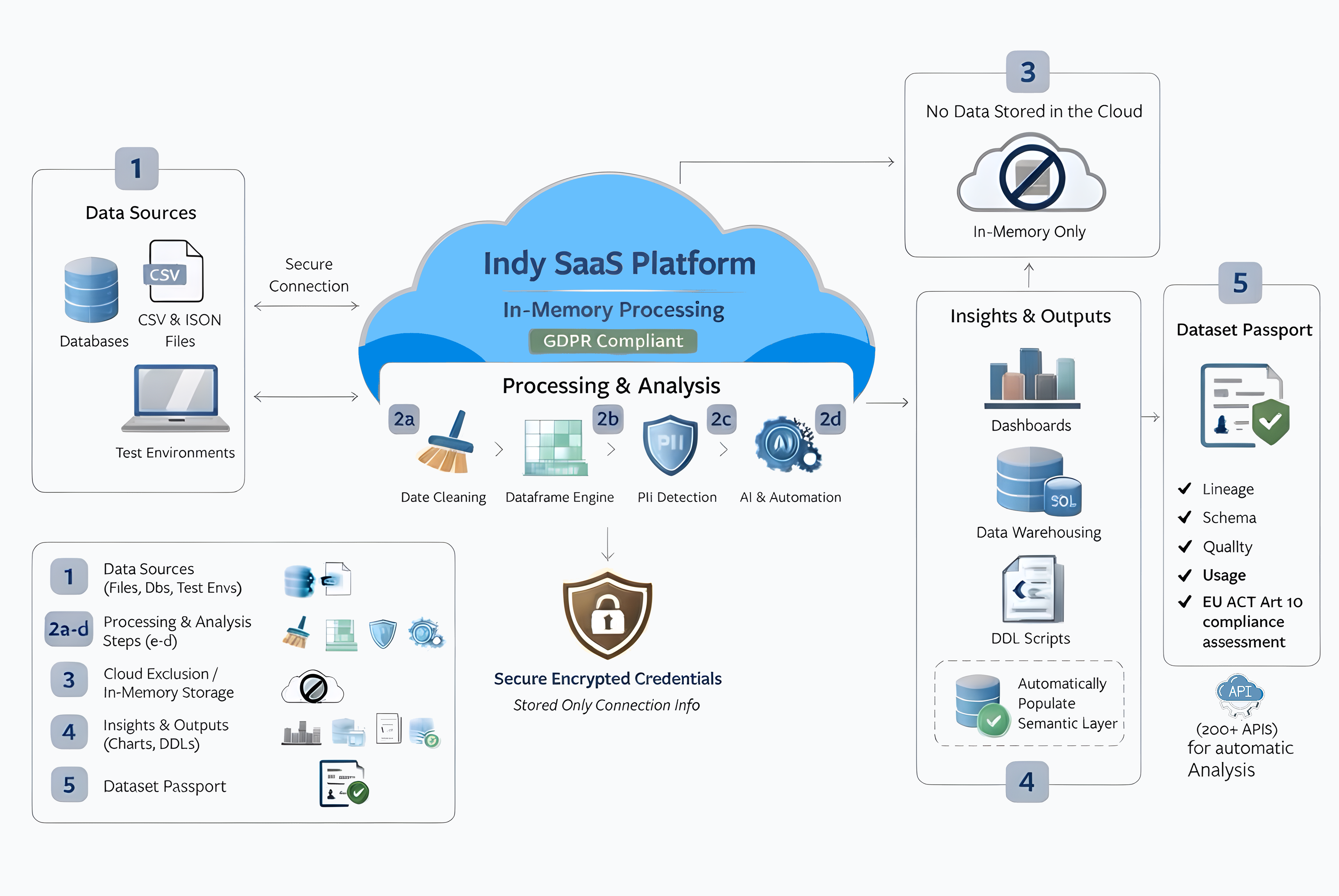
No. DataIndy does not store your data in the cloud. Your datasets (CSV, JSON files, or database tables) are processed online in-memory as dataframes and discarded once processing is complete.
This approach ensures full data residency and control, while still enabling advanced capabilities such as automated relationship detection, ERD generation, normalization recommendations, and data quality analysis.
Indy operates across multiple database dialects, automatically detects outliers and duplicates, identifies PII/PHI using machine learning, and generates DDL scripts and AI-powered insights — all without persisting your data.
Yes. DataIndy is GDPR-ready by design and follows key GDPR principles such as data minimization, security, and privacy by design.
Indy does not store or persist customer datasets. All data is processed ephemerally in-memory as dataframes and discarded after execution. The only customer data stored consists of connection credentials for test databases, which are securely encrypted at rest.
DataIndy's AI capabilities are hosted within the same cloud instance where Indy is deployed. AI processing does not rely on external AI providers or third-party API calls, ensuring that customer data remains within the DataIndy environment and is not transferred outside the controlled infrastructure during analysis.
Customer data is never used to train AI models and remains isolated within the DataIndy execution environment.
The platform supports compliance efforts by automatically detecting PII/PHI, enforcing consistent data standards, and embedding governance controls across the data lifecycle, helping organizations meet GDPR obligations related to data protection, accountability, and risk reduction.
Its multi-tenant architecture supports data factory and data mesh initiatives for both SMBs and enterprises, enforcing standards and automating governance at scale.
Unlike traditional data modeling tools that require your data model to already exist in a database, DataIndy works directly with raw CSV files, JSON files, and existing database tables.
It uses heuristic algorithms combined with AI assistance to automatically discover joins, relationships, and data structures, making it ideal for data discovery and rapid prototyping.
With just a few clicks, DataIndy can generate a complete Data Warehouse script, eliminating the need to manually design structures and write scripts from scratch.
Data models can also be exported and imported into tools such as ERWin or other modeling platforms for further refinement, documentation, and generation of complete data model diagrams.
Designed for data analysts, data engineers, consultants, data scientists, students, and small teams who need fast, affordable solutions. Quickly generate ERDs, run data analysis, create DWH/Lakehouse scripts, and perform profiling, cleaning, normalization, and more. Automate end-to-end data integration without the cost and complexity of traditional tools.
Built for enterprise as well: the platform is multi-tenant and helps standardize data products, enforce naming conventions, and manage user access with RBAC. Managers can govern multiple tenants easily, supporting modern architectures such as data factories and data meshes.
The tool is especially useful in migration projects or post-merger integrations, where it can automatically identify relationships across databases and accelerate unification efforts.
DataIndy connects securely to customer test databases, CSV, and JSON files. The only stored customer data are encrypted connection credentials, ensuring maximum security.
Enterprise authentication features, including Single Sign-On (SSO), will be available soon, enabling organizations to integrate DataIndy with their existing identity providers and access management policies.
Data cleaning, normalization, PII/PHI detection, AI-powered analysis, and warehouse design are executed through a secure in-memory processing engine, allowing fast, safe, and efficient processing without touching disk storage.
Governance, GDPR compliance, and consistent data standards are embedded throughout the data discovery and onboarding lifecycle, without slowing down analytics or time-to-market.
DataIndy helps organizations establish trust in their data by automatically identifying PII/PHI, data quality issues, inconsistencies, and structural relationships, providing the visibility needed to apply governance policies early.
By discovering and documenting data characteristics before building pipelines, teams can create more reliable data models, enforce standards consistently, and reduce compliance risks from the beginning.
Yes! You can export your ER diagram as a PDF for documentation or as JSON to preserve node positions. AI-generated entity summaries are included to enrich your documentation automatically.
You can also generate and export DDL scripts, making it easy to recreate the data model directly in industry-standard tools such as ERwin, IDERA, and others.
Yes. File size and row limits are configurable and can be adjusted according to the available infrastructure and specific business requirements. For enterprise deployments, the platform can be configured with additional memory and resources to handle larger datasets.
The platform is designed primarily for data onboarding and discovery, not for large-scale data processing. Its purpose is to help users quickly understand unfamiliar datasets by identifying schemas, data types, relationships, candidate keys, value distributions, missing values, and common data quality issues.
The profiling engine uses in-memory processing to provide a fast and interactive experience while ensuring that customer data is not stored in the cloud. While it is technically possible to increase the infrastructure capacity to analyze larger datasets, loading an entire multi-terabyte dataset into memory is generally not the most efficient approach for data discovery.
In most real-world onboarding projects, a representative sample provides enough information to:
This approach reflects how data discovery has traditionally been performed. Before automated profiling tools existed, data architects did not scan every row of a multi-terabyte dataset to understand its structure. They used representative samples, metadata, business knowledge, and targeted analysis. Automation accelerates this process by making discovery faster and more systematic.
Full dataset scans are appropriate for specific scenarios such as detecting very rare outliers, calculating exact statistics, validating uniqueness across all records, or performing production-level data quality checks. These are data processing and validation activities, which are typically handled by ETL pipelines or distributed processing platforms.
The philosophy behind the platform is:
Understand first. Process later.
By understanding the data before processing it at scale, organizations can design better pipelines, reduce unnecessary processing costs, and identify potential issues earlier.
The platform is optimized to answer:
"What is my data?"
rather than:
"How can I process every record at maximum scale?"
These are different problems requiring different architectures. The platform can be scaled when required, while remaining focused on its core mission: reducing the time needed to understand and onboard new data sources.
The goal of the platform is not to replace ETL engines or distributed data processing platforms. Our goal is to reduce the time required to understand data—from days or weeks to minutes.
By providing automated data discovery, profiling, and relationship analysis before processing at scale, the platform helps organizations design better pipelines, reduce unnecessary processing costs, and accelerate data onboarding.
DataIndy offers flexible plans for both individual users and enterprise teams, depending on data volume, collaboration needs, and governance requirements.
For individual users and small teams, the Raider plan provides free access with limited functionality, allowing users to explore data profiling and discovery capabilities. Advanced features such as exports, data warehouse script generation, and advanced AI-assisted suggestions are available in premium plans.
Individual plans include:
For organizations and enterprise customers, DataIndy provides scalable packages designed around team size, data volume, and security requirements:
Enterprise plans can be configured according to specific requirements, including number of users and dataset size limits.
All subscriptions are flexible and can be upgraded as your needs grow. DataIndy is designed to scale from individual data discovery projects to enterprise-wide data onboarding initiatives.
Have questions or want to learn more about DataIndy? Fill out the form below and we’ll get back to you.